


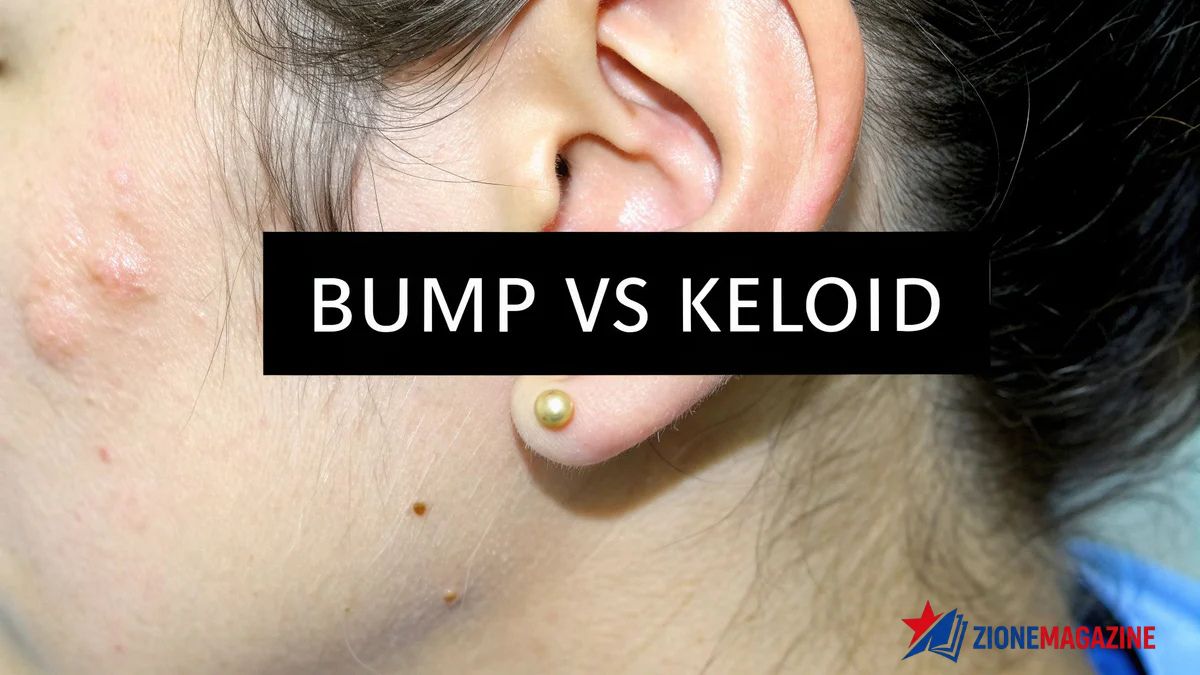
piercing bump vs keloid Getting a new piercing can be exciting, but discovering a raised bump around the jewelry can quickly cause concern. Many people immediately assume they have developed a keloid, while others dismiss the issue as a normal part of healing. The truth is that piercing bumps and keloids are two different conditions, and understanding the difference is important for proper treatment.
The confusion often happens because both conditions appear as raised growths near a piercing site. However, their causes, appearance, behavior, and treatment options are not the same. Misidentifying one for the other can lead to unnecessary worry or ineffective treatment methods.
In this guide, you will learn how to distinguish a piercing bump from a keloid, understand why they develop, recognize warning signs, and discover the most effective ways to manage each condition.
What Is a Piercing Bump?
A piercing bump is a small raised area that develops around a piercing during the healing process. It is generally caused by irritation, inflammation, or minor trauma rather than excessive scar formation.
Piercing bumps are particularly common in cartilage piercings, including the ear, nose, and upper ear regions. While they may look alarming at first, many piercing bumps improve significantly once the source of irritation is addressed.
Most piercing bumps appear close to the piercing hole and usually remain confined to the immediate area surrounding the jewelry. They often develop within weeks or months after the piercing procedure.
Common Causes of Piercing Bumps
Several factors can trigger the formation of a piercing bump.
Poor aftercare is one of the leading causes. Touching the piercing with unwashed hands, using harsh cleaning products, or over-cleaning the area can irritate healing tissue.
Jewelry quality also plays an important role. Low-quality metals may trigger allergic reactions or skin sensitivity. Jewelry that is too tight or too loose can create friction and pressure, leading to inflammation.
Accidental trauma is another common factor. Sleeping on a fresh piercing, snagging jewelry on clothing, or repeatedly touching the area can disrupt healing and contribute to bump formation.
Symptoms of a Piercing Bump
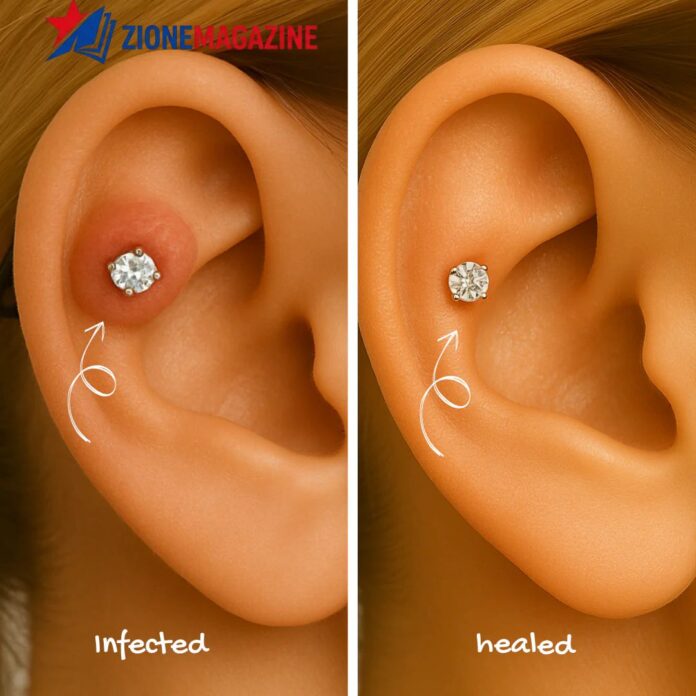
A piercing bump usually appears as a small, localized swelling near the piercing hole. The bump may be pink, red, or slightly flesh-colored depending on skin tone and the level of irritation.
Some people experience mild tenderness when touching the area. Others notice occasional fluid discharge, particularly if the piercing is still healing.
One of the defining characteristics of a piercing bump is that it often changes over time. With proper care, the bump may gradually shrink and eventually disappear.
What Is a Keloid?
A keloid is a type of abnormal scar that develops when the body produces excessive collagen during wound healing. Unlike a piercing bump, a keloid is not primarily caused by irritation. Instead, it represents an overactive healing response.
Keloids can develop after many types of skin injuries, including cuts, burns, surgical incisions, acne scars, and piercings. Some individuals are genetically predisposed to forming keloids, making them more likely to develop these scars after even minor skin trauma.
A keloid can continue growing long after the original wound has healed, making it very different from a typical piercing bump.
How Keloids Develop
When the skin is injured, the body produces collagen to repair damaged tissue. In some people, this repair process becomes excessive, resulting in a thick, raised scar that extends beyond the boundaries of the original injury.
Keloids may take several months to appear after a piercing. They often grow slowly but steadily and can become significantly larger than the piercing site itself.
Because keloids are composed of dense scar tissue, they tend to feel firmer than ordinary piercing bumps.
Characteristics of Keloids
Keloids usually have a smooth and shiny surface. They can be pink, red, brown, or darker than the surrounding skin depending on a person’s complexion.
Unlike piercing bumps, keloids frequently extend beyond the original piercing hole. This outward growth is one of the most important clues when identifying them.
Some individuals experience itching, tenderness, or discomfort as the keloid enlarges. Others may have no symptoms beyond the visible scar.
Piercing Bump vs Keloid: Key Differences
Understanding the differences between these two conditions can help you identify what is happening around your piercing.
A piercing bump is generally smaller, softer, and limited to the area immediately around the jewelry. It often develops because of irritation and may improve when the source of irritation is removed.
A keloid, on the other hand, is a true scar growth. It tends to be firmer, larger, and capable of spreading beyond the original piercing site. Keloids rarely disappear without professional treatment.
The most important distinction is growth behavior. Piercing bumps typically stabilize or shrink, while keloids often continue growing over time.
Another notable difference is timing. Piercing bumps frequently appear during the early healing stages, whereas keloids may emerge months after the piercing has healed.
Why People Confuse Piercing Bumps and Keloids
Many people encounter misleading information online that labels every piercing-related bump as a keloid. This misconception creates unnecessary anxiety among individuals who are simply experiencing a temporary irritation bump.
Both conditions appear as raised tissue around a piercing, making them difficult to distinguish without understanding their unique characteristics.
Additionally, early keloids can resemble ordinary bumps, especially when they first begin to develop. As a result, many people struggle to identify the condition correctly during its initial stages.
The majority of bumps that develop after piercings are not true keloids. In many cases, they are irritation bumps caused by pressure, friction, or improper aftercare.
How to Tell If Your Piercing Bump Is Healing
Monitoring changes over time can provide valuable insight into whether a bump is healing properly.
A healing piercing bump usually becomes smaller and less noticeable. Redness gradually fades, tenderness decreases, and the surrounding skin begins to look healthier.
You may also notice that the bump becomes flatter as inflammation subsides. This process can take several weeks depending on the location of the piercing and the severity of irritation.
Consistency is important during this period. Following proper aftercare instructions and avoiding unnecessary manipulation of the jewelry can support recovery.
Warning Signs That Require Attention
Not every bump is harmless. Certain symptoms indicate that medical evaluation may be necessary.
Persistent enlargement is one of the most important warning signs. If the growth continues expanding beyond the original piercing area, a keloid may be developing.
Severe pain, excessive redness, warmth, or significant discharge may suggest infection rather than a simple irritation bump.
Changes that continue worsening despite proper aftercare should also be evaluated by a healthcare professional or dermatologist.
Prompt assessment can prevent complications and ensure appropriate treatment if a keloid or infection is present.
Treatments for a Piercing Bump
The best treatment depends on the underlying cause of irritation.
Sterile saline rinses are commonly recommended because they help keep the area clean without introducing harsh chemicals. Gentle care is often more effective than aggressive cleaning routines.
Identifying and eliminating sources of pressure can also help. This may involve changing jewelry under professional guidance or avoiding activities that repeatedly irritate the piercing.
Patience is essential. Many piercing bumps improve gradually once the irritation is removed and the tissue has time to heal naturally.
Frequently Asked Questions
Is a piercing bump the same as a keloid?
No. A piercing bump is usually caused by irritation, inflammation, or minor trauma during healing. A keloid is an overgrowth of scar tissue that extends beyond the original piercing area.
How can I tell if my piercing bump is becoming a keloid?
A piercing bump typically stays close to the piercing and may shrink over time. A keloid usually continues to grow, feels firm, and spreads beyond the piercing site.
Can a piercing bump go away on its own?
Yes. Many piercing bumps improve with proper aftercare, reduced irritation, and patience. Healing time varies depending on the location and cause of the bump.
Are some people more likely to develop keloids?
Yes. Genetics play a major role in keloid formation. People with a family history of keloids are generally at a higher risk of developing them after skin injuries or piercings.
Should I remove my jewelry if I have a bump?
Not necessarily. Removing jewelry too soon can sometimes worsen the problem. It is best to identify the cause of the bump and consult a professional piercer or healthcare provider if you are unsure.