
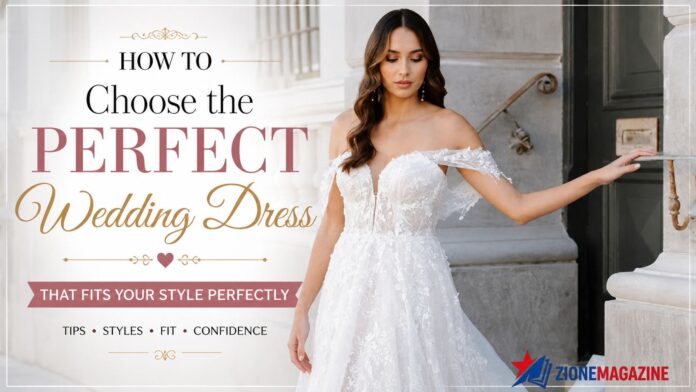


Choosing a wedding dress is one of the most exciting moments in the wedding planning journey. For many brides, the dress is more than just an outfit—it is a reflection of personality, style, emotions, and dreams. However, with thousands of designs, fabrics, silhouettes, and trends available today, finding the perfect gown can feel overwhelming.
If you are wondering how to choose a wedding dress that truly reflects who you are, the process becomes much easier when you focus on your personal style, comfort, wedding theme, and budget. The perfect wedding dress is not necessarily the most expensive or trendy one. It is the dress that makes you feel confident, beautiful, and completely yourself.
This guide will help you understand every important factor involved in selecting a wedding dress that fits your style perfectly and creates lasting memories on your special day.
Understanding Your Personal Style
Before stepping into a bridal boutique, take some time to understand your own fashion preferences. Many brides become overwhelmed by current trends and forget what they genuinely love to wear.
Think about your everyday wardrobe. Do you prefer simple and elegant clothing, or do you enjoy glamorous and detailed designs? Your wedding dress should feel like an elevated version of your personality rather than a costume.
Some brides naturally gravitate toward classic and timeless styles with clean lines and sophisticated details. Others prefer romantic gowns featuring lace, soft fabrics, and delicate embellishments. Some women love modern minimalist dresses, while others dream of a dramatic princess-inspired ball gown.
Looking through bridal magazines, fashion collections, and wedding photographs can help you identify recurring patterns in the dresses you admire. Once you recognize your preferences, narrowing down your options becomes much easier.
Consider Your Wedding Theme
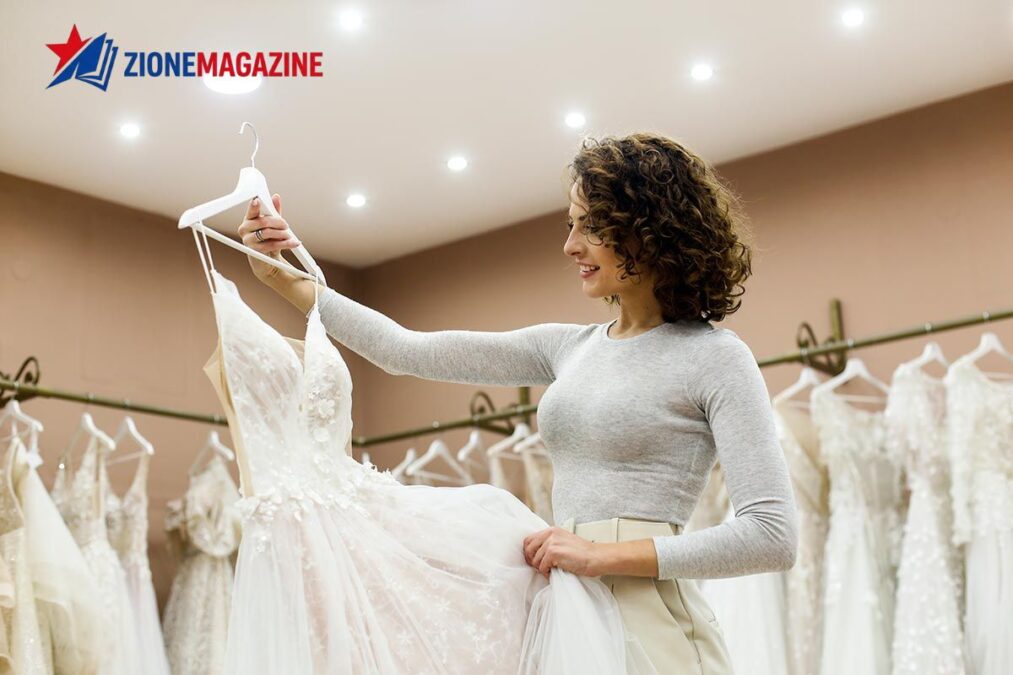
Your wedding dress should complement the atmosphere and setting of your celebration. A gown that looks stunning in a ballroom may not feel appropriate on a sandy beach, while a lightweight beach dress may seem too casual for a grand cathedral ceremony.
The venue often plays an important role in determining the overall style of your dress. For example, a formal evening wedding may suit luxurious fabrics and elegant silhouettes. A garden wedding often pairs beautifully with flowing fabrics and romantic details. Rustic venues frequently work well with relaxed and natural-looking gowns.
The season also matters. Summer weddings generally require breathable fabrics that keep you comfortable in warmer temperatures. Winter weddings often allow for heavier materials, long sleeves, and additional layers that provide warmth without sacrificing style.
When your wedding dress aligns with your venue and theme, the entire event feels more cohesive and visually appealing.
Know Your Body Shape
Understanding your body shape can help you identify dress silhouettes that naturally enhance your best features.
Every bride is unique, and there is no universal dress style that works for everyone. The goal is not to hide your body but to highlight your natural proportions in a flattering way.
A-line dresses are among the most versatile options because they suit many body types. They create balance and elegance while providing comfort and movement. Ball gowns offer dramatic volume and can create a fairy-tale appearance. Mermaid dresses emphasize curves and create a glamorous silhouette. Sheath gowns provide a sleek and modern look that works beautifully for certain body shapes.
Instead of focusing solely on size labels, pay attention to how a dress fits your shoulders, waist, bust, and hips. A well-fitted gown often looks more beautiful than a designer dress that does not fit properly.
Professional bridal consultants can also provide valuable recommendations based on your body type and personal preferences.
Set a Realistic Budget
One of the most important aspects of learning how to choose a wedding dress is establishing a realistic budget before shopping begins.
Wedding dresses vary greatly in price. Beyond the cost of the gown itself, there are additional expenses that many brides overlook. Alterations, veils, shoes, undergarments, jewelry, and preservation services can significantly increase the total amount spent.
Having a clear budget helps narrow your options and prevents disappointment. It also allows bridal consultants to show you dresses within your preferred price range.
Remember that an expensive dress does not automatically guarantee a better experience. Many beautiful gowns are available at affordable prices. What matters most is how the dress makes you feel.
Staying within your budget can reduce stress and allow you to focus on other important wedding expenses.
Choose the Right Fabric
Fabric plays a major role in both the appearance and comfort of a wedding dress.
Different fabrics create different effects. Satin offers a smooth and luxurious appearance with a structured finish. Lace adds romance, texture, and timeless elegance. Chiffon creates soft movement and works beautifully for outdoor weddings. Tulle provides volume and a dreamy bridal look, while crepe delivers a sleek and modern silhouette.
The fabric you choose should complement both your style and the season of your wedding.
For example, lightweight materials are often ideal for warm-weather celebrations, while heavier fabrics may be more suitable for cooler climates. The texture, weight, and movement of the fabric all contribute to the overall appearance of the gown.
Touching and trying on different fabrics can help you understand which materials feel most comfortable against your skin.
Prioritize Comfort
While appearance is important, comfort should never be overlooked.
Many brides spend ten to twelve hours wearing their wedding dress. During that time, they will walk, sit, dance, hug guests, pose for photographs, and participate in numerous activities.
A dress that looks beautiful but feels uncomfortable can negatively affect the entire wedding experience.
When trying on dresses, pay attention to how easily you can move. Can you sit comfortably? Can you raise your arms? Can you walk naturally? Does the dress provide enough support?
Comfort and beauty should work together. The ideal wedding dress allows you to enjoy every moment of your celebration without constantly adjusting or worrying about your gown.
Focus on Necklines and Sleeves
The neckline and sleeve design can dramatically influence the overall appearance of a wedding dress.
Sweetheart necklines create a romantic and feminine look. V-neck styles can elongate the body and create elegance. Off-the-shoulder designs add softness and sophistication. Square necklines offer a modern and structured appearance.
Similarly, sleeve options can completely transform a gown. Sleeveless dresses remain a classic choice, while long sleeves provide elegance and coverage. Illusion sleeves add delicate detail without creating a heavy appearance.
The best choice depends on your comfort level, personal style, and wedding setting.
Trying different combinations can help you discover options you may not have initially considered.
Pay Attention to Details
Small details often make a significant difference in the final look of a wedding dress.
Beading, embroidery, sequins, lace appliqués, and intricate stitching can add personality and visual interest. However, more decoration is not always better.
Some brides prefer understated elegance with minimal embellishments. Others love dramatic sparkle and intricate detailing.
The key is finding a balance that reflects your style without overwhelming the overall design of the gown.
Pay close attention to craftsmanship and quality. Well-executed details can elevate even the simplest dress.
Start Shopping Early
Timing is crucial when shopping for a wedding dress.
Many bridal gowns require several months for ordering, production, shipping, and alterations. Waiting too long can limit your options and create unnecessary stress.
Experts often recommend beginning the search several months before the wedding date. This allows ample time for fittings and adjustments.
Starting early also gives you the opportunity to explore different styles without feeling pressured to make a rushed decision.
Patience often leads to better choices and a more enjoyable shopping experience.
Bring the Right People
Choosing who accompanies you during dress shopping can significantly affect your experience.
Supportive family members and close friends can offer valuable feedback and encouragement. However, bringing too many people can create confusion and conflicting opinions.
Remember that the wedding dress is ultimately your choice. While trusted advice can be helpful, your personal feelings should remain the most important factor.
Select companions who understand your style and respect your decisions.
A calm and positive shopping environment often leads to better outcomes.
Avoid Common Mistakes
Many brides encounter similar challenges while searching for their dream dress.
One common mistake is focusing solely on trends. Fashion trends come and go, but wedding photographs last a lifetime. Choose a dress that reflects your personality rather than what is currently popular.
Another mistake is shopping without a budget. This can lead to disappointment when falling in love with a dress that exceeds your financial limits.
Some brides also ignore comfort in favor of appearance. While beauty matters, discomfort can affect your confidence and enjoyment throughout the day.
Comparing yourself to other brides is another trap to avoid. Every bride has unique preferences, body shapes, and wedding visions.
The perfect dress is the one that feels right for you.
Trust Your Feelings
At some point during your search, you may find yourself standing in front of a mirror wearing a dress that feels different from all the others.
You may feel confident, comfortable, emotional, or simply at peace with your choice. These feelings often indicate that you have found the right dress.
Not every bride experiences dramatic emotional reactions. Some simply feel calm and certain.
Trusting your instincts is important. If you continuously compare every dress to one particular gown, that dress may already be your answer.
Confidence is one of the most beautiful accessories a bride can wear.
Final Wedding Dress Checklist
Before making your final decision, review a few important details.
Confirm that the dress fits within your budget. Ensure alterations are included in your planning timeline. Consider your shoes, jewelry, veil, and other accessories. Verify that the gown matches your wedding theme and venue.
Most importantly, make sure the dress reflects your personality and allows you to feel comfortable throughout the celebration.
A thoughtful final review can prevent last-minute surprises and help you feel fully prepared for your wedding day.
Conclusion
Learning how to choose a wedding dress is about much more than selecting a beautiful gown. It involves understanding your personal style, considering your wedding theme, choosing flattering silhouettes, prioritizing comfort, and staying within budget.
The perfect wedding dress is not defined by designer labels or current trends. It is the dress that makes you feel confident, comfortable, and truly yourself. When your gown reflects your personality and complements your special day, it becomes more than a dress—it becomes part of a cherished memory that will last forever.
Take your time, trust your instincts, and enjoy the journey. The right wedding dress is waiting for you, and when you find it, you will know.
Frequently Asked Questions
1. When should I start shopping for my wedding dress?
It is best to start shopping for your wedding dress 8 to 12 months before your wedding day. This gives you enough time for ordering, fittings, and alterations without feeling rushed.
2. How do I know which wedding dress style suits me best?
The best wedding dress style depends on your body shape, personal taste, and wedding theme. Trying on different silhouettes can help you discover which design makes you feel the most confident and comfortable.
3. How much should I budget for a wedding dress?
Your budget should include the dress, alterations, accessories, shoes, and veil. Setting a realistic budget before shopping helps narrow your options and prevents unexpected expenses.
4. Should I follow wedding dress trends?
Trends can provide inspiration, but your wedding dress should reflect your personality and style. Choosing a gown you genuinely love often leads to greater satisfaction when looking back at your wedding photos.
5. What is the most important factor when choosing a wedding dress?
The most important factor is how the dress makes you feel. A wedding dress should be beautiful, comfortable, and a true reflection of your personal style on your special day.