


Introduction
The letter boxed nyt puzzle has become one of the most popular word games for people who enjoy vocabulary challenges and creative thinking. Unlike traditional crossword puzzles or word searches, Letter Boxed asks players to connect letters around a square while following a specific set of rules. The concept sounds simple at first, but many players quickly discover that finding the right words can be surprisingly difficult.
Some days the puzzle feels easy, while on other days you may spend several minutes staring at the letters without making progress. This experience is completely normal. Even experienced players occasionally get stuck when the available letter combinations seem impossible to connect.
The good news is that Letter Boxed is a skill-based puzzle. With the right techniques, anyone can improve their solving ability, recognize patterns faster, and complete puzzles more efficiently. This guide explains practical strategies that can help you master Letter Boxed NYT without feeling frustrated.
BIO
| Label | Information |
|---|---|
| Name | Letter Boxed NYT |
| Type | Daily word puzzle |
| Publisher | The New York Times |
| Category | Word Game |
| Main Goal | Use all letters on the board |
| Puzzle Layout | Letters around a square |
| Word Rule | Consecutive letters cannot be from the same side |
| Difficulty Level | Medium to Challenging |
| Key Skill | Vocabulary building |
| Best Strategy | Start with longer words |
| Daily Updates | New puzzle every day |
| Popular Among | Word puzzle enthusiasts |
| Learning Benefit | Improves spelling and word recognition |
What Is Letter Boxed NYT?
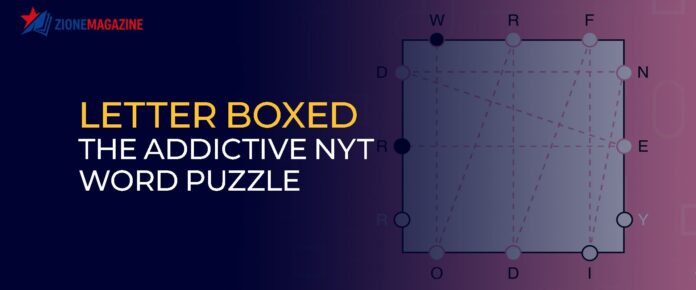
Letter Boxed is a daily word puzzle that challenges players to create words using letters arranged around the sides of a square. The objective is to use every letter on the board while following specific rules.
Each side of the square contains three letters. Players must form words by connecting letters, but consecutive letters cannot come from the same side of the square. Every new word must begin with the final letter of the previous word.
The puzzle becomes especially interesting because there are often many possible solutions. Some players aim simply to solve the puzzle, while others try to complete it using the fewest possible words.
What makes letter boxed nyt unique is its combination of vocabulary knowledge, pattern recognition, and strategic planning. Success depends not only on knowing words but also on understanding how letters interact within the puzzle structure.
Understanding the Core Rules
Before focusing on advanced strategies, it is important to understand the basic rules completely.
Players can reuse letters as many times as needed. There is no limit on word length as long as the word exists and follows the puzzle rules. The final letter of one word becomes the starting letter of the next word.
A valid solution requires every letter on the board to be used at least once. This requirement often creates the greatest challenge because some letters naturally appear less frequently in common words.
Many beginners focus entirely on creating words without tracking which letters remain unused. As a result, they often reach a point where only difficult letters remain, making the puzzle harder to finish.
Why Players Often Get Stuck

Getting stuck is one of the most common experiences in Letter Boxed. Understanding why it happens can help you avoid it.
One major reason is tunnel vision. Players frequently lock onto one possible word pattern and ignore alternative options. This limits creativity and reduces the chance of discovering better solutions.
Another issue involves focusing on short words. While short words can be useful, they often fail to cover enough letters. Players may create several small words and then realize important letters remain isolated.
Some puzzles contain uncommon letter combinations that require deeper vocabulary knowledge. When players rely only on everyday words, they may overlook valid solutions hidden within the board.
Mental fatigue also plays a role. After several unsuccessful attempts, the brain naturally begins repeating the same thought patterns. Taking a brief pause often helps reveal words that were previously overlooked.
Start With Longer Words
One of the most effective ways to improve at letter boxed nyt is to search for longer words first.
Longer words cover more letters and create stronger connections across the puzzle. They reduce the number of remaining letters and make it easier to plan future moves.
For example, a seven-letter word can eliminate multiple challenges at once. Instead of solving the puzzle piece by piece, you establish a strong foundation from the beginning.
Experienced players often spend extra time looking for long words before entering anything. This patience usually leads to more efficient solutions and fewer dead ends.
Long words also increase flexibility because they provide a wider range of ending letters that can connect to future words.
Focus on Difficult Letters Early
Every Letter Boxed puzzle contains letters that are harder to use than others.
Letters such as J, Q, X, Z, and sometimes V can become obstacles if ignored. Many players save them for later and eventually discover they cannot fit them naturally into their remaining words.
A better approach is to identify difficult letters immediately and build around them. Using these letters early removes future pressure and expands your options.
When analyzing a new puzzle, quickly scan the board for uncommon letters. Consider possible words containing those letters before focusing on easier combinations.
This habit dramatically increases your chances of solving the puzzle smoothly.
Learn Common Word Patterns
Pattern recognition is one of the biggest advantages experienced players possess.
Many English words share common prefixes and suffixes. Recognizing these structures helps generate potential solutions faster.
Prefixes such as re, pre, un, and inter frequently appear in valid words. Similarly, suffixes like ing, tion, ment, and ness can transform simple roots into longer words.
Instead of searching for complete words immediately, look for familiar fragments. Once a pattern emerges, the rest of the word often becomes easier to identify.
Over time, repeated exposure to Letter Boxed puzzles naturally strengthens this skill and improves solving speed.
Plan Ahead
Successful players rarely think only one move ahead.
Rather than focusing on the current word, consider how the ending letter will affect your next choice. A strong ending letter creates more opportunities and keeps the puzzle flexible.
For example, some letters connect easily to many words, while others severely restrict your options. Choosing a word that ends with a versatile letter can prevent future problems.
Planning ahead becomes especially important when trying to solve puzzles using only two or three words.
A thoughtful approach often saves time and reduces unnecessary trial and error.
Expand Your Vocabulary
A broader vocabulary creates a significant advantage in Letter Boxed.
This does not mean memorizing obscure dictionary entries. Instead, focus on learning useful word families, prefixes, suffixes, and less common everyday terms.
Reading books, articles, and newspapers naturally exposes you to a wider range of vocabulary. Over time, these words become available during puzzle solving.
Many players notice dramatic improvement simply by becoming familiar with additional word structures and patterns.
The goal is not to become a language expert but to increase the number of potential solutions available in your mental toolbox.
Scan the Board Systematically
Random guessing rarely produces consistent results.
A systematic approach helps reveal opportunities that might otherwise remain hidden. Start by examining one side of the square and identifying possible connections with letters on other sides.
Work through the board methodically instead of jumping between random combinations. This organized process reduces overlooked possibilities and improves efficiency.
Some experienced solvers even mentally group letters into categories based on common word patterns before beginning.
Developing a consistent scanning method can dramatically improve puzzle performance over time.
Create Multiple Possibilities
One mistake many players make is committing too quickly to a single solution path.
Even if a word looks promising, it may create problems later. Generating multiple possibilities provides flexibility and increases the likelihood of success.
When analyzing the board, try identifying three or four potential starting words. Compare how each one affects the remaining letters.
This approach helps you recognize stronger solutions before investing too much time in weaker options.
Flexibility is often the difference between solving a puzzle quickly and becoming stuck.
Use Previous Solutions as Learning Tools
Every completed puzzle offers valuable lessons.
After solving a puzzle, review the solution carefully. Examine how words connect and identify patterns that made the solution successful.
Many experienced players maintain a mental library of useful word combinations discovered through previous puzzles.
Over time, these patterns become easier to recognize, leading to faster and more efficient solving.
Treat each completed puzzle as a learning opportunity rather than simply moving on to the next challenge.
Practice Consistently
Consistency is one of the most reliable ways to improve.
The more puzzles you solve, the more familiar you become with common patterns, letter combinations, and solving techniques.
Daily practice strengthens vocabulary recall and improves pattern recognition. What feels difficult today may become automatic after several weeks of regular play.
Even spending a few minutes each day can produce noticeable improvement over time.
Like any skill, mastery develops gradually through repetition and experience.
Aim for Fewer Words
Many Letter Boxed enthusiasts enjoy solving puzzles using the smallest number of words possible.
While completing the puzzle is the primary goal, challenging yourself to use fewer words encourages deeper strategic thinking.
This practice helps identify stronger word combinations and improves planning skills.
Even if you cannot achieve a two-word solution immediately, striving for efficiency often leads to significant growth as a player.
Over time, you may find yourself discovering elegant solutions that previously seemed impossible.
Common Myths About Letter Boxed
Several misconceptions prevent players from reaching their full potential.
One myth suggests that only people with advanced vocabularies can solve Letter Boxed. In reality, strategy often matters more than knowing rare words.
Another myth claims there is only one correct solution. Most puzzles can be solved in multiple ways, and different players may discover completely different answers.
Some believe fast solvers are naturally gifted. While experience certainly helps, consistent practice and effective techniques contribute far more to success than natural ability.
Understanding these facts can make the game more enjoyable and less intimidating.
Building Confidence
Confidence plays a surprisingly important role in puzzle solving.
Players who assume they cannot find the answer often stop exploring possibilities too soon. On the other hand, confident players remain curious and continue experimenting with different combinations.
Approach each puzzle with patience and a willingness to explore. Accept that getting stuck is part of the learning process.
Every challenge develops skills that will help with future puzzles.
The more confidence you build, the more enjoyable and rewarding the experience becomes.
Conclusion
Mastering letter boxed nyt is not about memorizing thousands of words or finding perfect solutions every time. It is about developing effective habits, recognizing patterns, and approaching each puzzle strategically.
By focusing on longer words, using difficult letters early, expanding your vocabulary, planning ahead, and practicing consistently, you can dramatically improve your performance. Over time, puzzles that once seemed impossible will become much easier to solve.
Remember that progress happens gradually. Each puzzle teaches something new, and every solution strengthens your skills. With patience and regular practice, you can enjoy Letter Boxed more confidently and solve daily challenges without getting stuck.
Frequently Asked Questions
What is Letter Boxed NYT?
Letter Boxed NYT is a daily word puzzle from The New York Times. Players connect letters from different sides of a square to create words and use all available letters on the board.
How can I get better at Letter Boxed NYT?
The best way to improve is through regular practice. Focus on finding longer words, learning common word patterns, and identifying difficult letters early in the puzzle.
Is there only one solution to a Letter Boxed puzzle?
No, most Letter Boxed puzzles have multiple valid solutions. Different players may solve the same puzzle using different word combinations while still following the rules.
What should I do when I get stuck in Letter Boxed NYT?
Take a short break and look at the letters from a fresh perspective. Searching for longer words or focusing on unused letters often helps reveal new possibilities.
What is the main goal of Letter Boxed NYT?
The objective is to use every letter on the puzzle board at least once while creating connected words. Many players also challenge themselves to solve the puzzle using the fewest words possible.