
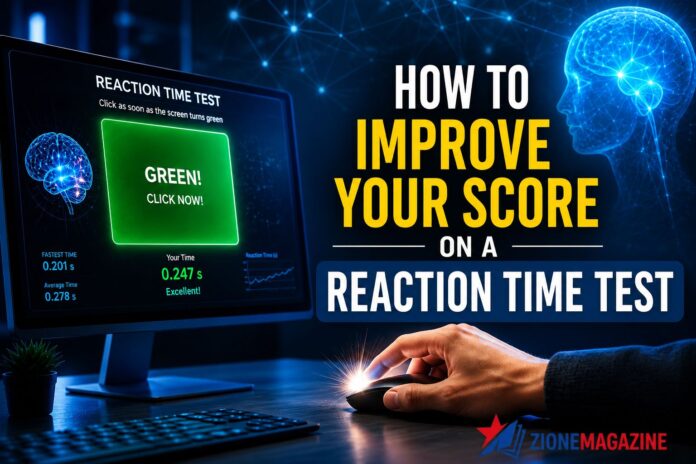


Have you ever wondered why some people react almost instantly while others take a split second longer? Whether you’re a competitive gamer, an athlete, a driver, or simply curious about your cognitive performance, your reaction time test score offers valuable insight into how quickly your brain processes information and responds to it.
Reaction time is more than just a number displayed after an online test. It reflects the coordination between your brain, nervous system, eyes, and muscles. A faster response can improve gaming performance, enhance sports skills, increase driving safety, and even help you make quicker decisions in everyday situations.
The encouraging news is that reaction time is not completely fixed. Although genetics and age influence your natural ability, research shows that consistent practice, healthy lifestyle habits, and targeted training can help many people improve their performance over time. Studies have found measurable improvements after several weeks of structured practice and physical or cognitive training.
This guide explains how a reaction time test works, what affects your score, and the most effective methods to improve it naturally.What Is a Reaction Time Test?
BIO
| Label | Information |
|---|---|
| Topic | Reaction Time Test |
| Category | Brain & Cognitive Performance |
| Purpose | Measures response speed to a stimulus |
| Test Type | Visual, auditory, or choice reaction |
| Measured In | Milliseconds (ms) |
| Average Score | Around 200–250 ms for most adults |
| Main Benefits | Better reflexes, focus, and coordination |
| Who Can Benefit | Gamers, athletes, drivers, students, and adults |
| Factors That Affect Score | Sleep, age, focus, stress, and practice |
| Ways to Improve | Regular training, exercise, healthy habits |
| Common Uses | Gaming, sports, driving, and cognitive assessment |
| Key Takeaway | Consistent practice helps improve reaction speed over time |
A reaction time test measures how quickly you respond to a stimulus. The stimulus may be visual, such as a color changing on the screen, or auditory, such as hearing a sound. The timer begins when the stimulus appears and stops the moment you respond, usually by clicking a mouse, pressing a key, or tapping a screen.
The result is displayed in milliseconds (ms). Since one second contains 1,000 milliseconds, even tiny differences matter. A score of 180 milliseconds is considerably faster than 250 milliseconds.
Reaction time should not be confused with reflexes. Reflexes are automatic responses controlled mainly by the spinal cord, while reaction time involves conscious processing by the brain. Before responding, your brain must detect the stimulus, interpret it, decide on an action, and send signals to your muscles.
Because this process depends on multiple body systems working together, many different factors can influence the final score.
How Does a Reaction Time Test Work?
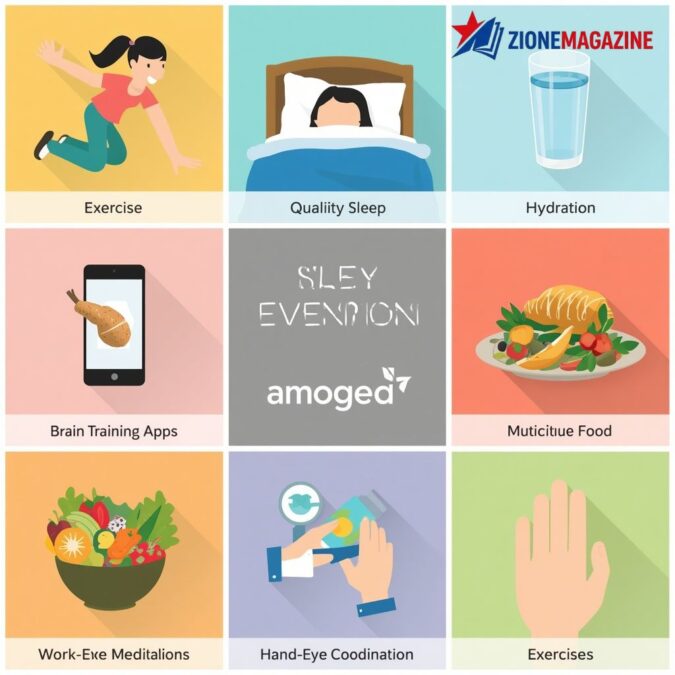
Most online reaction tests are designed to be simple and easy to understand. After pressing a start button, users wait for a random signal before responding as quickly as possible.
The randomness prevents participants from guessing when the signal will appear. This helps produce a more accurate measurement of genuine reaction speed instead of anticipation.
Several types of reaction tests are commonly used.
A visual reaction test measures how quickly you respond after seeing a visual cue, such as a screen changing color.
An auditory reaction test measures the speed of your response to sounds instead of images.
A choice reaction test is more advanced because it requires selecting the correct response among multiple options. Since decision-making is involved, these tests usually produce slower results than simple reaction tests.
Many sports scientists, coaches, psychologists, and esports professionals use these assessments to evaluate performance and monitor improvement over time.
What Is Considered a Good Reaction Time Test Score?
People often ask what qualifies as a “good” reaction time. The answer depends on several factors, including age, health, testing equipment, and the type of test being used.
For most healthy adults, average visual reaction times typically fall between 200 and 250 milliseconds under controlled conditions. Professional esports players and elite athletes often achieve faster averages through extensive practice and conditioning, although results vary by individual and testing setup.
As a general guide:
- Below 180 ms: Excellent
- 180–220 ms: Very good
- 220–250 ms: Average
- 250–300 ms: Slightly slower than average
- Above 300 ms: May indicate fatigue, distractions, or other influencing factors
These values should only be viewed as rough benchmarks rather than strict standards. Device latency, monitor refresh rate, internet delays, and even the type of mouse or touchscreen can affect online test results.
Instead of comparing yourself to others, focus on tracking your own improvement over time.
What Factors Affect Your Reaction Time?
Many people assume reaction time depends only on natural talent. In reality, numerous physical and mental factors influence your performance every day.
One of the biggest influences is sleep quality. Even a single night of insufficient sleep can noticeably slow cognitive processing and increase reaction time. Researchers consistently identify adequate sleep as one of the most effective ways to maintain fast responses.
Age also plays an important role. Reaction speed generally improves throughout childhood, peaks during early adulthood, and gradually slows as people grow older. Regular physical and mental activity, however, can help reduce age-related decline.
Your attention level matters as well. When your mind is distracted, stressed, or multitasking, your brain needs more time to recognize and process incoming information.
Physical health contributes significantly. Hydration, balanced nutrition, cardiovascular fitness, and overall well-being support efficient brain function and nerve communication.
Finally, practice makes a difference. Repeating reaction-based tasks helps improve familiarity, coordination, and consistency, allowing many individuals to achieve measurable improvements over several weeks of training.
Why Improving Your Reaction Time Matters
A faster reaction time offers benefits that extend far beyond online testing.
For drivers, reacting even a fraction of a second sooner can provide valuable extra distance to avoid accidents. Quick responses to unexpected hazards may improve road safety in emergency situations.
Athletes rely heavily on rapid reactions. Sports such as tennis, baseball, soccer, basketball, boxing, and martial arts require players to respond instantly to fast-moving opponents or objects. Improving reaction speed can enhance both offensive and defensive performance.
Gamers also benefit significantly. In competitive multiplayer games, reacting milliseconds faster can determine whether a player wins or loses an encounter. Faster reactions often improve aiming, movement, and overall game awareness.
Reaction speed also supports many everyday activities, including catching falling objects, avoiding obstacles, responding during conversations, and making quick decisions under pressure.
Perhaps most importantly, improving reaction time often reflects broader improvements in concentration, coordination, physical fitness, and cognitive performance rather than simply becoming better at one specific test.
Frequently Asked Questions (FAQs)
1. What is a good reaction time test score?
A good reaction time test score for most adults is typically between 200 and 250 milliseconds. Scores below 200 milliseconds are considered very fast, while results can vary depending on age, device, and testing conditions.
2. Can I improve my reaction time naturally?
Yes. Regular practice, quality sleep, physical exercise, brain training, healthy nutrition, and better focus can gradually improve your reaction speed. Consistency is the key to seeing lasting results.
3. How often should I take a reaction time test?
Taking a reaction time test two to four times per week is usually enough to monitor your progress. Avoid excessive testing in one session, as fatigue can affect your results.
4. Do video games help improve reaction time?
Action and fast-paced video games may help improve hand-eye coordination, visual attention, and decision-making speed. However, combining gaming with healthy habits and physical activity provides the best overall improvement.
5. Why is my reaction time slower on some days?
Reaction time can slow down due to poor sleep, stress, dehydration, illness, distractions, or mental fatigue. Maintaining a healthy routine and taking tests under similar conditions will provide more consistent results.