



White paint may seem simple at first glance, but anyone who has painted a room knows that choosing the right white can be surprisingly difficult. Some whites feel too stark, while others appear too yellow or gray once they are on the walls. Among the countless options available today, White Dove Benjamin Moore has earned a reputation as one of the most dependable and versatile white paint colors for homes.
Interior designers, homeowners, and renovation experts often recommend White Dove because it strikes a balance between warmth and brightness. It creates a clean look without feeling cold and adds softness without appearing overly creamy. This unique balance allows it to work beautifully in almost every room of the house.
Whether you are updating a single room or planning a whole-home color scheme, understanding how to use White Dove Benjamin Moore effectively can help you create a cohesive and inviting space.
BIO
| Label | Information |
|---|---|
| Paint Name | White Dove |
| Brand | Benjamin Moore |
| Paint Type | Interior and exterior paint |
| Color Family | Warm white |
| Undertones | Soft creamy undertones |
| Best For | Walls, trim, cabinets, and ceilings |
| Style Match | Modern, farmhouse, traditional, and coastal |
| Light Reflection | Brightens rooms naturally |
| Popular Use | Kitchen cabinets and living rooms |
| Pairs Well With | Gray, beige, navy, sage green, and wood tones |
| Main Benefit | Clean look with gentle warmth |
| Ideal Spaces | Bedrooms, kitchens, bathrooms, offices, and hallways |
| Designer Appeal | Timeless, versatile, and easy to coordinate |
What Is White Dove Benjamin Moore?
White Dove Benjamin Moore is a warm white paint color known for its soft appearance and subtle undertones. Unlike bright whites that can feel sterile, White Dove has gentle creamy undertones that bring warmth and comfort to a room.
One reason for its popularity is its flexibility. It can complement modern, traditional, farmhouse, coastal, and transitional interior styles without looking out of place. The color adapts well to different lighting conditions, making it a reliable choice for homeowners who want consistency throughout their homes.
Another advantage is that White Dove works well on walls, trim, ceilings, cabinets, and even exterior surfaces. This versatility makes it one of the most frequently recommended paint colors in residential design.
Why White Dove Works in Every Room
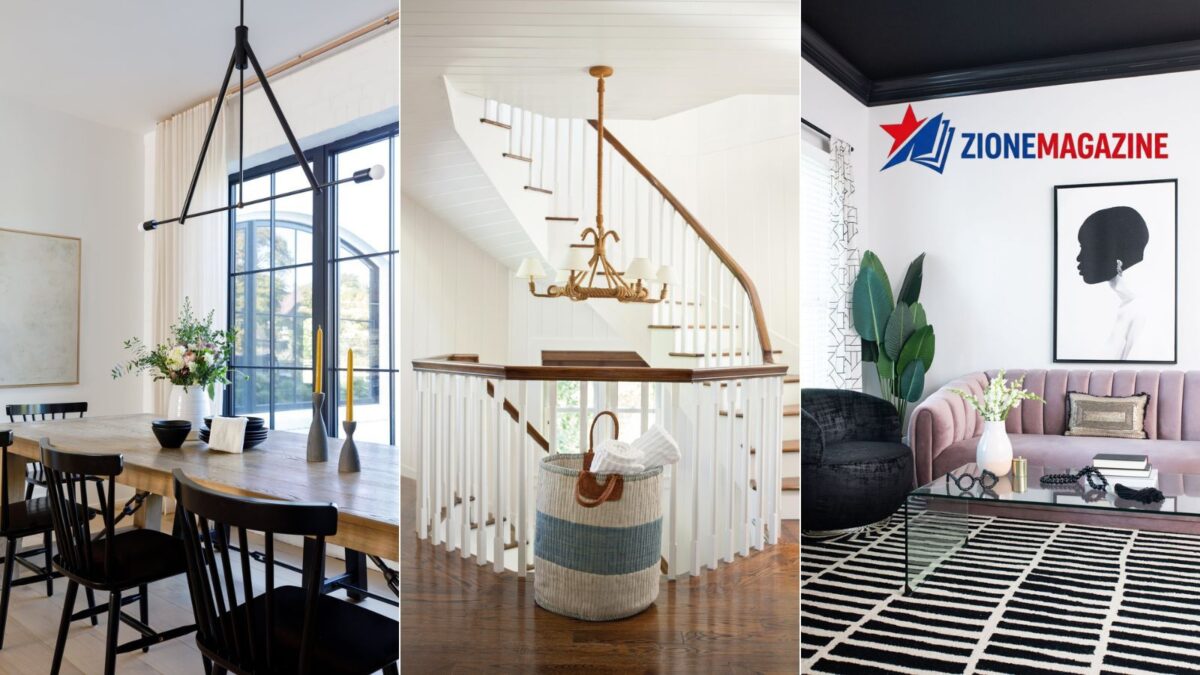
Many paint colors look wonderful in one room but fail to perform well in another. White Dove stands apart because it adapts naturally to changing environments.
Its warm undertones help create comfortable living spaces, while its brightness reflects light effectively. This combination allows rooms to feel larger, cleaner, and more welcoming.
Because it is neither too yellow nor too gray, White Dove pairs easily with natural wood, stone, marble, metal finishes, and a wide range of furniture styles. Homeowners can update décor over time without worrying that their wall color will clash with new design choices.
Living Room Ideas
The living room is often the most frequently used space in a home. It serves as a gathering place for family, guests, and everyday activities. White Dove creates an ideal backdrop because it feels bright while maintaining a cozy atmosphere.
In living rooms with large windows, White Dove reflects natural light beautifully throughout the day. The color helps highlight architectural features, artwork, and furniture without competing for attention.
For a warm and inviting design, pair White Dove walls with beige, taupe, camel, or soft gray furnishings. Natural wood coffee tables and woven textures add depth while maintaining a relaxed appearance.
Dark accents such as black picture frames, navy pillows, or charcoal furniture can also create attractive contrast against White Dove walls.
Kitchen Applications
The kitchen is one of the most popular places to use White Dove Benjamin Moore. Many homeowners choose it for cabinets because it delivers a classic white look without feeling overly bright.
White Dove cabinets work exceptionally well with quartz countertops, marble surfaces, and subway tile backsplashes. The subtle warmth of the paint softens hard surfaces and creates a welcoming environment.
For kitchen walls, White Dove helps maximize light and makes the space feel open and airy. Smaller kitchens especially benefit from this effect because the color visually expands the room.
Brushed brass, matte black, and stainless steel hardware all pair beautifully with White Dove cabinetry, giving homeowners flexibility when selecting fixtures and finishes.
Dining Room Style
Dining rooms often benefit from colors that feel elegant without being overly formal. White Dove achieves this balance naturally.
The color creates a sophisticated backdrop for wood dining tables, upholstered chairs, and decorative lighting fixtures. It also allows artwork and statement furniture pieces to stand out.
When combined with warm wood tones, White Dove enhances the natural richness of the materials while maintaining a fresh and updated appearance. The result is a dining room that feels welcoming for both casual family meals and special occasions.
Bedroom Comfort
Bedrooms should promote relaxation and comfort. White Dove is particularly effective in sleeping spaces because of its soft and calming appearance.
Unlike harsh whites that can feel clinical, White Dove introduces subtle warmth that helps create a peaceful atmosphere. This makes it suitable for primary bedrooms, guest rooms, and children’s rooms alike.
Soft linens in cream, light gray, sage green, dusty blue, or muted blush pair beautifully with White Dove walls. Layering textiles such as blankets, pillows, and rugs adds visual interest while maintaining a tranquil environment.
The versatility of White Dove also allows homeowners to refresh bedroom décor seasonally without needing to repaint.
Bathroom Design
Bathrooms often have limited natural light, making color selection especially important. White Dove helps brighten these spaces while maintaining warmth.
The paint works beautifully alongside white tile, marble countertops, and chrome fixtures. Its subtle undertones prevent the room from feeling cold, which can sometimes happen with brighter whites.
In larger bathrooms, White Dove creates a spa-like atmosphere when paired with natural stone, wood accents, and soft lighting. In smaller bathrooms, it reflects available light and helps the room feel more spacious.
Because bathrooms experience humidity and moisture, choosing the appropriate paint finish is just as important as selecting the right color.
Home Office Inspiration
As more people work remotely, creating a productive home office has become increasingly important. White Dove provides a clean and professional backdrop that supports focus and concentration.
The color reduces visual distractions while maintaining warmth and comfort during long workdays. It also performs well during video meetings because it reflects light evenly throughout the room.
Adding natural wood furniture, greenery, and simple decorative accents creates a balanced workspace that feels both functional and inviting.
Many homeowners appreciate that White Dove allows them to create a professional office environment without sacrificing the warmth of a residential space.
Hallways and Entryways
Hallways and entryways connect the various rooms within a home. Using White Dove in these transitional spaces helps create visual continuity and flow.
Because hallways often lack windows, White Dove’s reflective qualities can help brighten otherwise dark areas. The color makes narrow corridors feel wider and more open.
Entryways also benefit from the welcoming atmosphere White Dove creates. Guests are greeted by a fresh, clean appearance that sets a positive tone for the rest of the home.
Using the same paint color throughout hallways and adjacent rooms can create a seamless design that feels intentional and cohesive.
Understanding Lighting
Lighting has a significant impact on how paint colors appear. Although White Dove is versatile, it still changes subtly based on room orientation and light exposure.
North-facing rooms typically receive cooler natural light. In these spaces, White Dove’s warm undertones help counterbalance the coolness and prevent the room from feeling stark.
South-facing rooms receive abundant warm light. White Dove often appears brighter and softer in these environments.
East-facing rooms enjoy warm morning light and cooler afternoon light, while west-facing rooms experience the opposite. White Dove generally performs well in both settings because of its balanced undertones.
Testing paint samples in different areas of the room remains one of the best ways to evaluate how the color will look throughout the day.
Colors That Pair Beautifully With White Dove
One of the greatest strengths of White Dove is its ability to coordinate with a wide range of colors.
Soft grays create a timeless and sophisticated palette. Earth tones such as tan, beige, and warm brown add depth and comfort. Navy blue introduces elegant contrast, while sage green creates a calm and natural atmosphere.
For homeowners who prefer bold accents, charcoal black can provide dramatic contrast without overwhelming the space. Natural wood finishes also pair exceptionally well with White Dove and help emphasize its warmth.
The flexibility of White Dove allows homeowners to experiment with different accent colors while maintaining a balanced overall design.
Common Mistakes to Avoid
Although White Dove is highly versatile, a few common mistakes can affect the final result.
First, never rely solely on online photos when choosing paint. Lighting conditions vary significantly between homes.
Second, always test paint samples before committing to a full project. What looks perfect in one room may appear different in another.
Third, consider paint finish carefully. Flat, eggshell, satin, and semi-gloss finishes all affect the final appearance of the color.
Finally, think about trim, ceilings, and adjacent rooms. Coordinating these elements helps create a polished and professional look throughout the home.
Final Thoughts
White Dove Benjamin Moore continues to be one of the most trusted white paint colors for good reason. Its unique combination of warmth, brightness, and versatility allows it to perform beautifully in nearly every room of the home.
From living rooms and kitchens to bedrooms, bathrooms, offices, and hallways, White Dove creates spaces that feel welcoming, timeless, and effortlessly elegant. Its ability to complement different design styles and materials makes it a practical choice for both renovations and new construction projects.
For homeowners seeking a white paint color that balances comfort with sophistication, White Dove remains one of the strongest options available. With proper testing, thoughtful lighting considerations, and complementary décor choices, it can help transform every room into a space that feels bright, cohesive, and inviting.
Frequently Asked Questions
Is White Dove Benjamin Moore a warm or cool white?
White Dove Benjamin Moore is considered a warm white. It has soft creamy undertones that make rooms feel comfortable and inviting without looking too yellow.
Does White Dove Benjamin Moore work in small rooms?
Yes, White Dove reflects light well and can help small rooms appear brighter and more spacious. Its balanced warmth also prevents compact spaces from feeling cold.
Can White Dove Benjamin Moore be used on cabinets?
Absolutely. White Dove is one of the most popular cabinet colors because it offers a timeless white appearance that works with both modern and traditional kitchens.
What colors pair best with White Dove Benjamin Moore?
White Dove pairs beautifully with soft grays, warm beiges, natural wood tones, navy blue, sage green, and black accents for contrast and depth.
Does White Dove Benjamin Moore look different in various lighting conditions?
Yes. Like all paint colors, White Dove changes slightly throughout the day. It may appear brighter in sunny rooms and slightly warmer in spaces with limited natural light.